
Supporting your partner through fear of pregnancy and or birth (tokophobia)
As you support your pregnant partner on this journey, it’s clear that pregnancy changes things a lot. It’s important to understand that during this time, there can be various feelings, and some of them might be tough to handle. This leaflet is specifically for partners, to shed light on tokophobia – the fear of pregnancy and/or childbirth – and to offer valuable insights into understanding and supporting your partner through this common yet often overlooked concern. The wellbeing of both of you is of utmost importance, and addressing any fears or anxieties is a courageous and proactive step. It’s normal to feel some apprehension about the upcoming birth, and this guide aims to equip you with the knowledge and tools to navigate these concerns effectively.
Common reasons for fear of birth:
 |
Not knowing or understanding: Childbirth is a complex process, and fear often stems from not having sufficient information. Lack of knowledge about how birth happens, potential complications, and the associated pain can contribute to worries. |
 |
Not knowing or understanding: Childbirth is a complex process, and fear often stems from not having sufficient information. Lack of knowledge about how birth happens, potential complications, and the associated pain can contribute to worries. |
 |
Bad experiences or traumatic events: Previous exposure to difficult or frightening birth stories, either firsthand or through others, can instil fear. Personal or family experiences with childbirth complications may also contribute to apprehension. |
 |
Fear of pain and losing control: The intensity of emotions and physical sensations during childbirth can trigger a fear of pain and a concern about losing control. Understanding and addressing these fears is crucial for emotional wellbeing. |
 |
Worries about the baby or you getting hurt: Fears about potential harm to the baby or oneself during childbirth, including concerns about medical emergencies or the need for a C-section, can intensify stress and anxiety. |
It’s essential to acknowledge that feeling some fear or nervousness about giving birth is entirely normal. However, if these fears become overwhelming or hinder seeking help, it’s crucial to reach out for support. Healthcare professionals are available to provide guidance, answer questions, and ensure a supportive environment for both partners.
Remember, you’re not alone in this journey, and by understanding and addressing these fears together, you can strengthen your bond and navigate this experience with resilience and support.
Understanding fears
Understanding and supporting your partner through the fear of pregnancy and/or childbirth is an essential part of the journey you’re both on. This fear is sometimes referred to as tokophobia, and it goes beyond regular worries. It’s an extreme and overwhelming fear that can make the idea of being pregnant or giving birth seem daunting. Many women and individuals experience concerns about pregnancy and birth, but when these fears become intense and impact daily life, it’s classified as tokophobia.
You’re not alone in navigating this. Maternity staff and mental health professionals are here to help, and they won’t be surprised or judgmental if you reach out to them about these fears.
Tokophobia can be classified as primary or secondary.
- Primary tokophobia: This occurs when the fear is intense, even if you’ve never been pregnant or given birth. It can be a challenge even to decide to become pregnant. There can be various known and unknown reasons contributing to this fear
- Secondary tokophobia: More common, this type arises after experiencing a traumatic event during a previous pregnancy or birth. Some individuals may be diagnosed with post-traumatic stress disorder
(PTSD) and seek therapy for coping, while others may experience these fears without a formal diagnosis or treatment
Some reasons that people may experience tokophobia
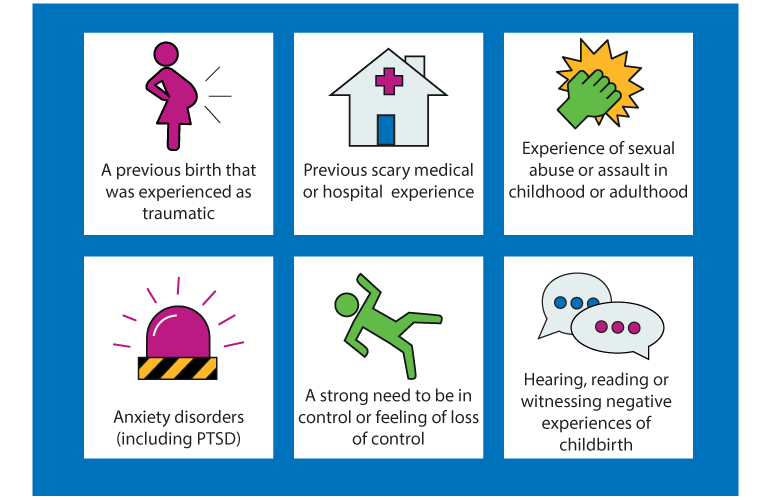
What might my partner be experiencing?
As a supportive partner, it is good to understand what women and birth parents may experience when dealing with tokophobia. When someone learns they’re pregnant, it can trigger distress and overwhelming emotions. The sense of feeling trapped and losing control may lead to agitation, anger, stress, and restlessness. In some cases, it can be so overwhelming that the pregnant person might even contemplate abortion, despite their desire for children.
For some, tokophobia is intertwined with haunting memories or thoughts of a past experience. Frightening images can dominate their minds, and the fear of potential harm during childbirth, both for themselves and the baby, can be overwhelming.
It’s not uncommon for individuals grappling with tokophobia to withdraw. They might avoid discussions or thoughts about birth, steering clear of healthcare providers like doctors or midwives. Anything related to pregnancy and childbirth becomes a source of intense fear, prompting them to distance themselves.
The key message here is that if you or someone you know
is experiencing these emotions, it’s entirely acceptable to seek support from a doctor or midwife. They can provide understanding, guidance, and assistance in navigating through these challenging emotions or can refer you to someone who can offer that support.
How can I help my partner?
- The earlier they can get help, the better. Encourage them to speak to the midwife about concerns and fears. Enquire what options and services are available for fear of birth and tokophobia. They can make an individualised plan of care
- Speak to your midwife about aspects of care you are particularly worried about and how they can be adapted to meet their needs.
- Encourage them to speak to family/friends if they feel comfortable doing so
- Attend antenatal classes, the more you both understand about birth the better you can communicate your needs.
- Write a birth plan in partnership with your midwife. Cover your choices, care needs and alternative plans of care. Think about what you can do to support your partner in labour and in the early weeks
- Gather some coping strategies. We can help suggest soothing techniques or methods of grounding when they feel overwhelmed. Music, smells, active birth positions, hypnobirth ideas, calming images, and positive birth affirmations are some ideas (see fear of birth leaflet for pregnancy).
- Help your partner take care of themselves with a balanced diet, exercise and relaxation to lower stress levels. Consider wellbeing activities such as yoga, walking in nature and mindfulness
- Use a free NHS app called Baby Buddy (https://www. bestbeginnings.org.uk/baby-buddy), it can offer information about how your baby is growing and developing and help you to start to form a bond
- Support your partner to attend therapy if this is offered. You can care for older children, help them access transport, and help them to prioritise their support.
Nurturing support through every step
Remember that your role as a supportive partner is invaluable. Navigating the fears and uncertainties surrounding birth is a journey that both you and your partner embark on together. Your understanding, empathy, and encouragement can make a profound difference.
Do:
- Listen to their worries and let them talk
- Acknowledge their concerns and feelings
- Help them access help and information
- Say supportive things
Don’t
- Do not dismiss any thoughts or feelings, as this can make your partner feel more isolated and alone
- You don’t have to make it all better for them or ‘fix’ it. They just need you to listen and acknowledge their fears
- Do not belittle their worries with statements like “Don’t be silly, you will be fine” or “You are worrying over nothing”
In times of doubt or anxiety, lean on the support systems available to you, whether it be healthcare professionals, friends, or family. This shared journey is an opportunity for growth, resilience, and building a stronger foundation for your growing family. Embrace the upcoming chapters, knowing that you play an essential role in creating a positive and comforting environment for both your partner and your future little one.

Thank you to Dad Matters UK and Matthew Elliott, Dad Matters co-ordinator, for their input and collaboration in creating this information.