“We need to make talking about suicide more acceptable” – Dr Mohinder Kapoor’s World Suicide Prevention Day blog
World Suicide Prevention Day, which takes place on 10 September 2025, provides an opportunity to raise awareness, foster understanding, and inspire action.

Dr Mohinder Kapoor, consultant in old age psychiatry, associate medical director for research and development and medical investigator for the patient safety team talks about changing the narrative on suicide.
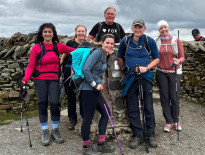
I feel privileged and honoured to be part of the Baton of Hope Bradford suicide prevention initiative, which is the UK’s largest ever suicide prevention initiative. I have been invited as a guest speaker for this event. I will be joining the Lord Mayor of Bradford and co-founder of Baton of Hope UK Steve Phillips at City Park stage in Bradford on 9 September.
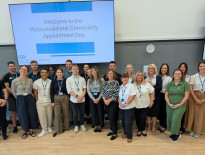
I also had the opportunity to attend the Kirklees suicide prevention roadshow in June 2023 on behalf of the Trust to talk about mental health stigma and suicide prevention. This was the beginning of the journey for me involving extensive voluntary and charity work, trying to tackle the issue of stigma and encourage people from various communities in West Yorkshire to seek mental health support.
My initial talk at the Sikh temple in Huddersfield in June 2023 gave people a safe space to talk about mental health, their experiences, and seek appropriate help. Since then, I have worked in local communities, working with families and carers, knowing that they matter, especially within ethnic minority communities.
As well as being involved with the 13-community clinic, a grassroots initiative which gives free advice and support to local communities covering health, legal and financial issues, I have continued to raise awareness of mental health issues at various community events. I believe by talking, we can create a space for people who are going through something similar, helping them to reach out before it is too late. That is the spirit of community, and a key path to prevention. When we create space for people to share what they have lived through without judgement or awkward avoidance, we give others the language and insight they need to empathise.
The World Health Organisation (WHO) estimates that more than 720,000 people die each year by suicide. It is also well known that most suicides are preventable. A truly heartbreaking thought for anyone bereaved by suicide. Families bereaved by suicide are at greater risk of suicide. And yet, the majority of people who are most impacted by suicide do not access support. As a result, around 40% of the ‘suicide bereaved’ contemplate suicide themselves. Far too often, devastating distress strikes the same families twice.
Suicide is the biggest killer (over 6,500 suicides in the UK) in young men under 50 and women under 35 and leaves behind lives marked forever. It is more common in those struggling with addiction, debt, mental health problems, social adversity, and isolation, but no demographic is immune from risk. Men are disproportionately affected by suicide.
My work with communities over the last two years has highlighted that the cultural expectations that men should be stoic and self-reliant often makes it harder for them to reach out when they need help. Expectations like these can intensify feelings of isolation and shame. Looking back at the work I have done in the communities, I can see how this might have absolutely impacted men who died by suicide.
We need to work to promote spaces where men’s struggles can be acknowledged openly, and where families affected by suicide can find the guidance and support, they need to heal. Campaigns and charities like Movember (which is just a few weeks away) are crucial when it comes to shifting the narrative around men’s mental health.
By encouraging open conversations, normalising vulnerability, challenging stereotypes and avoiding equating masculinity with silence or emotional toughness and promoting early help-seeking, these initiatives help break the stigma that prevents men from getting the support they need.
We need to make talking about suicide more acceptable. There is NO evidence that talking about it increases risk. Talking about suicide can be and often is a taboo. If you are talking about suicide, there is a fair chance someone nearby is quietly judging if you are safe to confide in – and believe you me, they notice every word.
Another horrible truth is that suicide could happen in your workplace, school, or community. The majority of people who die by suicide are not in contact with mental health services at the time, therefore suicide awareness in places of work, recreation, study, sport etc is essential for prevention.
We want to create cultures where suicide is not a secret, to move the conversation away from silence and into something more real. You do not need to be a mental health expert. You do not need to wait for the perfect strategy or permission. You just need to be willing to start. Because change happens when we stop whispering about suicide and start talking, together, from the heart and the head.
Unfortunately, the stigma and the taboo around suicide mean a lot of Asian families grieve privately, they are expected to be stronger and move on quickly. They rarely show their emotions for fear of being judged and shunned in the community. And what I’ve learned from my community work is that once one person makes a switch, others follow. The room changes. Culture begins to shift. And people feel a little less alone.
Let us start the conversation. A conversation CAN save a life. It is believed that for every one of those lives lost, at least one hundred people are directly impacted including parents, children, partners, and friends left behind to cope with unimaginable grief. Let us try to make a conversation, listen to them, give them bucket loads of compassion so that it might help them put their distress into words. Let us hold the beacon of hope for them when they have no ability or strength to hold it themselves.
Support
- Free suicide awareness training is available for all from Zero Suicide Alliance.
- The West Yorkshire Suicide Prevention website which has advice and information about local services which can help.
- For help in a mental health crisis or emergency, call the 24-hour mental health helpline on 0800 183 0558, open 7 days a week and available to anyone registered with a GP in Barnsley, Calderdale, Kirklees, or Wakefield.
- For information about services to support your mental health and wellbeing, take a look at our choose well for mental health guide.
References
https://bradford2025.co.uk/event/the-baton-of-hope/
https://batonofhopeuk.org/the-tour/
https://sikhsinlaw.co.uk/13-community-clinic/